One Year of Matter Later: My Multi-Brand Smart Home Confession
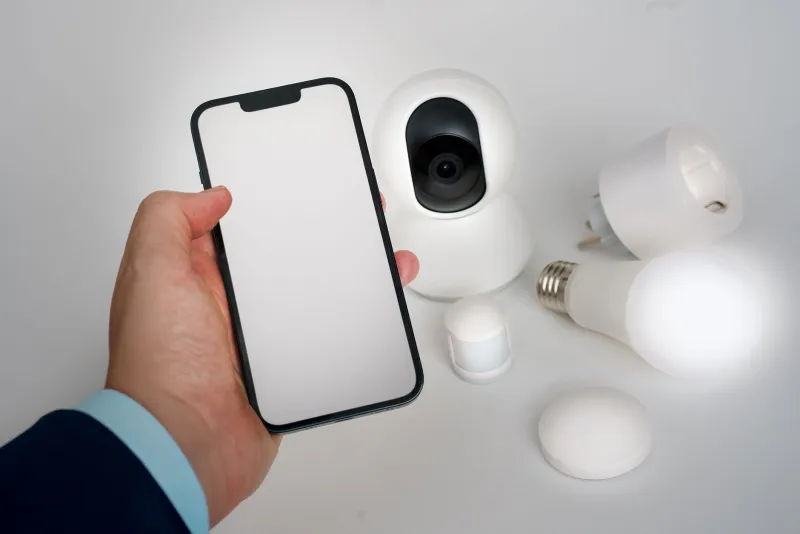
When Matter launched with all the fanfare of a Apple keynote, the pitch was simple: buy whatever smart bulb, plug, or lock you want, and it'll all just work together. No more ecosystem tribalism. No more seven apps on your phone for seven brands of light switches.
After a year-plus of running a genuinely mixed household — Nanoleaf bulbs, a SwitchBot bot, Eve sensors, an Aqara hub, and a Nest Mini or two — it's time for an honest report card.
The Good News: Pairing Actually Got Better
The single biggest win is commissioning. Scanning a Matter QR code and watching a device hop into Apple Home, Google Home, or SmartThings within seconds still feels like magic if you lived through the dark ages of per-brand pairing flows. Devices that previously demanded their own proprietary app can now be onboarded directly into the platform of your choice.
Multi-admin support deserves a shout-out too. Adding the same smart plug to both an iPhone household and an Android roommate's Google Home app used to mean buying two plugs. Now it's one device, two controllers, zero drama.
Thread: The Quiet Revolution With an Asterisk
Thread was supposed to be the backbone of the whole thing — a self-healing mesh network where every plugged-in device extends coverage. In practice, it's more complicated.
The problem is border routers. Every ecosystem handles them differently. Apple's HomePod mini and Apple TV 4K act as Thread routers, Google made the second-gen Nest Hub one, and Amazon has been slowly rolling support into Echo devices. But if your border router is in the living room and your sensor is in the detached garage, your mesh has a coverage hole no amount of marketing can fix.
Worse, moving devices between ecosystems sometimes means re-commissioning them entirely, because Thread credentials live with the controller. That's not interoperability; that's just a fancier walled garden.
What Still Doesn't Work
Let's be blunt about the gaps:
- Device categories are thin. Matter 1.0 shipped with support for bulbs, plugs, locks, thermostats, and sensors. Robot vacuums, cameras, and energy monitoring arrived late or not at all in practical form. If your favorite gadget category isn't on the list, you're still juggling vendor apps.
- Bridges and hubs still matter. That Aqara hub? It exposes some devices over Matter and keeps others proprietary. You'll open the Aqara app anyway for firmware updates and automations the standard doesn't cover.
- Scenes and automations don't travel. Matter moves devices, not logic. Your carefully tuned "movie night" routine lives in exactly one ecosystem, and switching platforms means rebuilding it from scratch.
Which Devices Should Stay Native
After a year of experimenting, here's the pragmatic split we've landed on:
Go Matter: bulbs, plugs, contact sensors, and thermostats from major brands. These are commodity devices, and the standard works exactly as advertised for them.
Stay native: anything with a camera, anything with a proprietary radio (looking at you, SwitchBot's Bluetooth bots), and anything where the vendor's app unlocks meaningful extra features — equalizer tuning on smart speakers, energy dashboards on EV chargers, that kind of thing.
The Verdict
Matter didn't kill the ecosystem wars, but it did win a major concession: the walls are lower, the gates are wider, and switching costs are finally dropping. For makers and tinkerers, that's a genuine win — your hardware choices are no longer hostage to your assistant choice.
Just keep a few vendor apps around. You'll need them more than the marketing promised.