One Dongle to Rule Your Bulbs: Building a Zigbee Coordinator That Answers to Nobody
The Hub Problem Nobody Likes Talking About
Here's a scenario that plays out in American smart homes every year: a company gets acquired, a cloud service sunsets, and suddenly the hub you paid $130 for becomes a paperweight. Revolv did it. Insteon nearly did it in 2022. Wink spent years threatening it. When your entire smart home routes through one vendor's cloud, you're not a customer — you're a hostage with good lighting.
The fix is simpler than most people realize. Zigbee is a mesh protocol, not a subscription. Every bulb, sensor, and plug on it will happily talk to any coordinator — the little radio that acts as the network's brain. Big hub makers want you to think that brain has to live inside their plastic puck. It doesn't. It can live on a $30 USB dongle plugged into a Raspberry Pi in your closet.
What You're Actually Building
A DIY Zigbee coordinator has three parts:
- A radio. The Sonoff ZBDongle-E (based on the EFR32 chip) is the current community favorite at around $20. The SkyConnect sits at the premium end near $40.
- Software. Zigbee2MQTT is the workhorse — it supports 3,000+ devices and translates everything into MQTT messages any home automation system can consume.
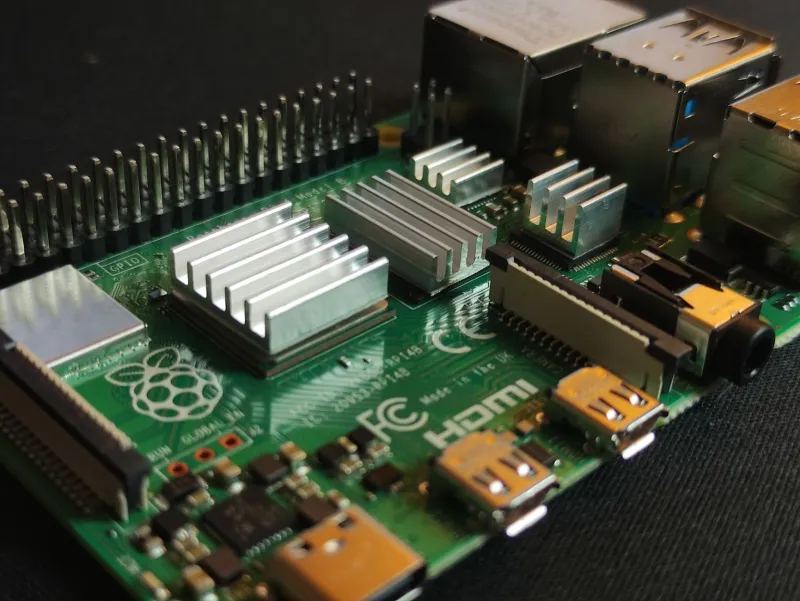
- A computer. A Raspberry Pi 4, an old laptop, even a mini PC from a Black Friday sale. If it runs Docker, it runs your gateway.
Contrast that with the big three. Amazon's Echo hubs work, but the Alexa Zigbee integration is a walled garden — fine for bulbs, miserable for oddball sensors. Samsung's SmartThings has migrated to the cloud so many times that long-time users keep backup routines for when the servers hiccup. Hubitat is genuinely local-first and respected, but you're still locked into their device driver ecosystem and their hardware roadmap.
The Setup, Start to Finish
Total time: about 90 minutes if you've flashed firmware before, an afternoon if you haven't.
Step 1: Flash the coordinator firmware. The ZBDongle-E usually ships ready to go. If you want the newer Ember firmware, Silicon Labs' web-based flasher runs right in your browser — no soldering, no JTAG cables.
Step 2: Install Zigbee2MQTT. If you run Home Assistant, the add-on installs in two clicks. Otherwise, Docker Compose gets you running with a five-line config file. Point it at your MQTT broker (Mosquitto is free and standard).
Step 3: Pair everything. Hold the pairing button on each device, watch them trickle into the web UI. Here's the part that surprises people: every mains-powered device you pair — smart plugs especially — acts as a mesh router and extends your network. Twenty devices in, your coverage is better than any hub's.
Step 4: Back up. Export your network configuration. This single JSON file means a dead dongle costs you a re-pair of nothing. Try getting that out of a SmartThings hub.
Where DIY Genuinely Loses
An honest assessment demands the downsides, because there are real ones.
You are the support department. When a sensor won't pair, there's no phone number to call. The Zigbee2MQTT community on Discord and GitHub is excellent, but debugging falls on you.
Thread and Matter complicate the picture. If you're buying new devices in 2025, a chunk of them are Thread-based, and your Zigbee coordinator doesn't help there. You'd want a separate Thread border router, which means more hobby infrastructure.
Range physics still apply. A dongle on a Pi inside a media cabinet will struggle in a 4,000-square-foot house. Commercial hubs sometimes ship with better RF front-ends, and you'll likely want a USB extension cable to move the dongle away from interference sources regardless.
The WAF factor. Spouse Approval Frequency, as the community calls it: when the lights don't turn on because you were mid-firmware-update, proprietary hubs have fewer of those moments.
The Verdict
If you own fewer than ten Zigbee devices and everything already works, buy a Hubitat and move on with your life. But if you're the kind of person who reads this site with a soldering iron within reach — if you've got thirty sensors, a mix of brands, and a lingering distrust of cloud dependencies — the dongle route is cheaper, more flexible, and immune to acquisition announcements. The hub makers sell convenience. The DIY gateway sells ownership. At $30, ownership is finally the better deal.