Stop Shopping for a New Opener: Seven Ways to Retrofit the Garage Door You Already Own
The garage door opener might be the least-smart device in an otherwise smart American home. And the home automation industry would love to sell you a $300 replacement. Resist. Nearly every opener made in the last 25 years can be retrofitted for a fraction of that — you just need to pick the right approach for your skill level and your opener's quirks.
I've installed (or helped friends install) most of these. Here's the honest breakdown, scored on a 1–5 scale.
First, Know Your Opener
Before anything else, pop the cover and figure out what you own. Chamberlain/LiftMaster units built after 2011 use Security+ 2.0, an encrypted protocol that fights third-party accessories. Older units, Genie, and most budget brands are far friendlier. Your opener's generation will decide half of this list for you.
The Contenders, Ranked
1. ratgdo — The Community Favorite
Install: 1 | HA Integration: 5 | Safety sensors: 5 | Cost: ~$30
The ratgdo board (by maker Paul Wieland) plugs directly into the opener's terminal block and speaks Security+ 2.0 natively. That means full control and full state reporting — you get open, closed, opening, closing, plus obstruction and lock status. Home Assistant sees it as a native cover entity via ESPHome.
Install is genuinely ten minutes: unplug the opener, connect five wires, re-plug. If you have a Chamberlain-family opener, stop reading and buy this.
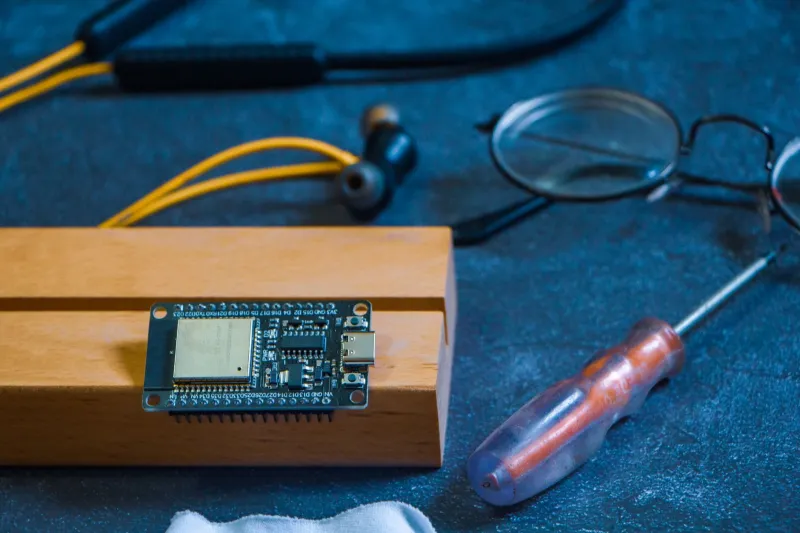
2. ESPHome on a $6 ESP32 (Full DIY)
Install: 4 | HA Integration: 5 | Safety sensors: 4 | Cost: ~$10
For tinkerers, ESPHome's dry-contact cover recipe plus a two-relay board replicates what ratgdo does on older openers. You'll wire relays to the wall-button terminals and read state from a pair of reed switches. It works beautifully — but you're doing the wiring, the YAML, and the debugging yourself. Great weekend project, terrible gift for a spouse who just wants the app to work.
3. Shelly Plus 1 (Dry Contact Mode)
Install: 2 | HA Integration: 4 | Safety sensors: 3 | Cost: ~$17
A Shelly in detached dry-contact mode is the middle path: no flashing, no soldering, native HA integration via the Shelly component. Downside is state — you'll want a second Shelly or a reed switch for position feedback, or your dashboard lies to you. Still, for renters and the solder-averse, it's the easiest legitimate option.
4. Meross Smart Garage Hub
Install: 1 | HA Integration: 3 | Safety sensors: 3 | Cost: ~$40
The consumer pick. Magnetic sensor, wall-mount hub, five-minute setup. It works with Home Assistant through the Meross cloud integration, but that cloud dependency stings for this audience. Fine for a guest house or rental; enthusiasts will chafe.
5. Konnected Boards
Install: 3 | HA Integration: 4 | Safety sensors: 4 | Cost: ~$40–$80
Konnected is built for whole-house wired-sensor conversion, and the garage door is one channel of many. If you're already wiring door/window sensors, add the garage for cheap. As a standalone garage project, it's overkill.
6. MyQ + Home Assistant Bridge Hacks
Install: 1 | HA Integration: 2 | Safety sensors: 3 | Cost: $0 if you already have MyQ
If your opener already has MyQ, community integrations can pull it into HA. But Chamberlain's API crackdowns have made this a recurring headache — integrations break when Chamberlain sneezes. I don't recommend building on it.
7. The Safety Sensor Bypass Question
Install: 5 | HA Integration: n/a | Safety sensors: 0 | Cost: ~$2
Yes, you can jumper the photo-eye safety sensors to make finicky openers behave. Don't. Those sensors stop a 300-pound door from closing on a kid or a bike. Misaligned sensors are a $0 fix — realign them, clean the lenses, check the wiring. No smart-home feature is worth skipping this step.
The Verdict by Maker Level
- Never held a soldering iron: Meross, or Shelly if you want HA-native
- Comfortable with a screwdriver and YAML: ratgdo on compatible openers — it's the best value in home automation right now, full stop
- Weekend warrior who owns jumper wires: ESPHome DIY, and enjoy the deepest integration of the bunch
Whichever route you take, keep the safety sensors in the loop and add position feedback. A garage door that reports its state honestly is worth ten that just blink hopefully. Your opener has probably given you a decade of reliable service — with $30 and an afternoon, it'll serve another one, smartly.