The One-Hour Moveout: Rentable Smart Home Gear That Leaves No Trace (Or Deposit Damage)
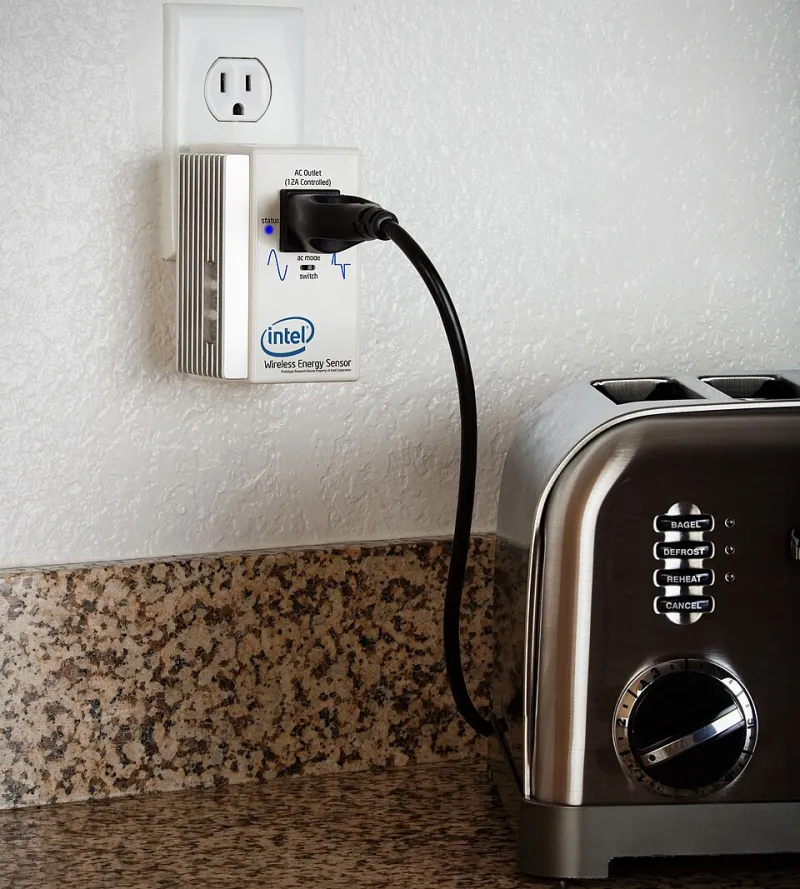
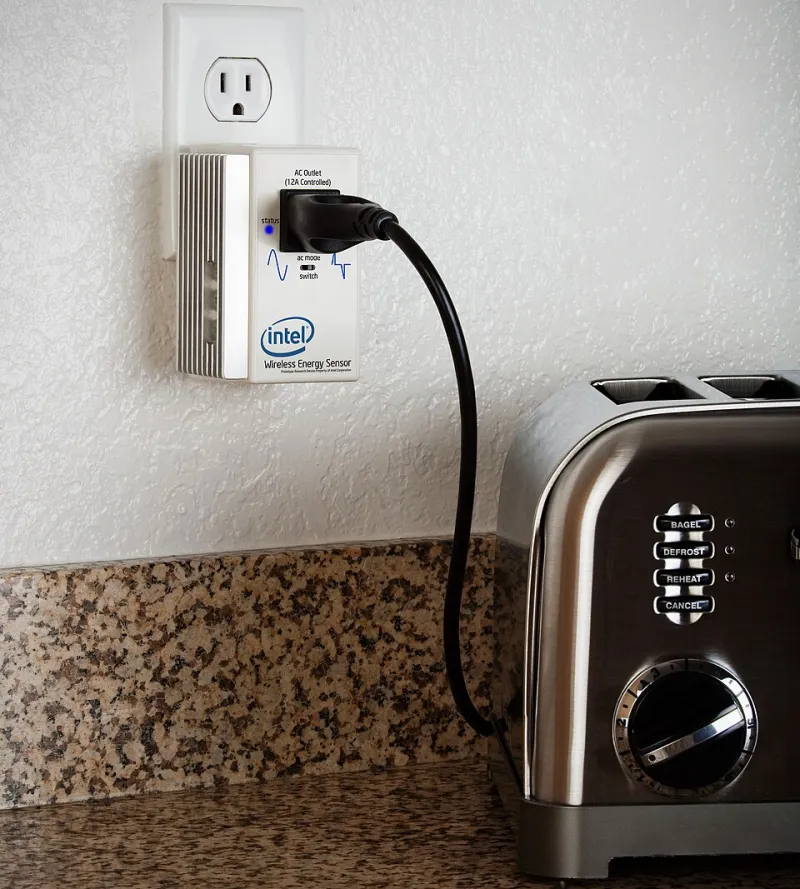
Photo: home energy saving tips, CC BY-SA 2.0, via Wikimedia Commons
My last apartment had a lease clause so strict it might as well have been written by a medieval guild: no permanent alterations, no wall anchors, no modifications of any kind. My landlord once flagged a tenant for command strips. So when I got the smart home itch, I had two options — suffer with dumb everything, or engineer my way around it.
You can guess which path I took. Two years and one full deposit refund later, here's everything I learned about automating a home you're only borrowing.
The Golden Rule: If It Needs a Screwdriver, It's Not Renting Gear
Before we get to specific devices, internalize the hierarchy of reversibility:
- Replaces nothing, touches nothing — battery sensors, plug-in devices, peel-and-stick mounts
- Replaces a removable part — smart bulbs instead of rewiring switches
- Clamps or wedges — tension-mounted cameras, over-door sensors
- Anything with a screw, anchor, or hardwired connection — hard no, or ask the landlord in writing
Category 4 is where renters get burned. Hardwired smart switches are fantastic, but swapping one out means cutting into drywall eventually, and "I'll put the old switch back" falls apart the moment the original goes missing or the paint line doesn't match. Skip it.
The Battery-First Sensor Fleet
Every sensor in my apartment runs on batteries. Zero wires cross a wall, zero holes exist. The lineup:
- Door and window contacts — the thin kind mount with industrial-grade adhesive tape. The good ones (Aqara, Third Reality, whatever your Zigbee flavor prefers) hold for years. I've peeled three off moving day with a plastic pry tool and a hair dryer, and you couldn't tell they'd been there.
- Motion sensors — corner-mount on a shelf top or atop a door frame with a strip. Placement matters more than hardware; a $15 PIR on a bookshelf covers a whole room.
- Temp/humidity sensors — these little pucks are basically free-standing. Put one in the fridge, one in the bathroom, one by the plants.
- Water leak sensors — slide them under the sink, behind the toilet, next to the washing machine. In a rental, these are arguably the most valuable sensors you can own, because a slow leak is your landlord's problem until it becomes your security deposit's problem.
The catch: battery everything means battery maintenance. I set a recurring automation that pings me when any device drops below 20%, and I do one 30-minute battery swap day twice a year. That's the whole tax.
Lighting Without Touching a Switch
Smart bulbs are the renter's cheat code. You get dimming, scheduling, and color scenes with a device that unscrews in two seconds. Two rules make this livable:
First, defeat the dumb switch problem. If someone flips the wall switch off, your smart bulb goes dark and dumb. A simple fix: a peel-and-stick switch cover or a $3 "switch guard" that nudges the toggle to stay on. Even better, a battery-powered smart button stuck next to the switch gives everyone in the household an intuitive control that doesn't require opening an app.
Second, watch your bulb count. Smart bulbs on every fixture gets expensive fast. I automated the lamps (plug-in smart plugs — the single most renter-friendly device category in existence) and left the overhead fixtures alone. Total lighting spend: about $70.
The Hub Question
If you're running Zigbee or Z-Wave sensors, you need a coordinator. The renter-friendly version is any small hub that plugs into an outlet and sits on a shelf — no Ethernet runs, no ceiling mounts, no server rack in the closet. A mini PC or even a Raspberry Pi tucked behind the TV can run your whole local setup. Nothing about it screams "infrastructure," which is exactly the point. Your landlord sees a little black box, same as a router.
The Compatibility Checklist for Lease Clauses
Before you buy anything, actually read your lease. Here's the quick audit I run:
- Does it prohibit "alterations"? Adhesive sensors and plugs are almost always fine — alterations mean holes and wiring.
- Does it mention cameras? Interior cameras are your business; anything facing common areas or neighbors can be a problem. Doorbell cameras on shared entryways? Ask first.
- Are there rules about key changes? Smart locks are the gray zone. More on that below.
- Does the lease require access in emergencies? If so, any lock setup needs to accommodate it.
Screenshot your lease's relevant clauses and keep them handy when shopping. It turns "can I install this?" from an anxiety spiral into a yes/no checkbox.
Smart Locks: The One Place to Be Careful
Locks are where renter setups go wrong. My solution was a lock that mounts entirely on the interior side of the door over the existing thumbturn — no screw changes to the exterior hardware, no key modifications, fully reversible in ten minutes. It looks a bit chunky, but it survived a landlord inspection unnoticed.
Avoid anything that replaces the deadbolt cylinder unless you've got written landlord approval. And never, ever rely on a smart lock as your only lock — keep the physical key working, because batteries die at the worst possible moment.
The Moving Day Teardown Test
Here's the metric I'd give every renter: can your entire smart home be packed in one hour?
My teardown ran like this: hair dryer on each adhesive sensor for thirty seconds, dental floss behind the tape, rubbing alcohol to wipe the residue. Bulbs unscrewed into egg cartons. Plugs pulled and coiled. Hub into an anti-static bag. The whole system — 14 sensors, 6 bulbs, 4 plugs, a hub, and a lock — fit in a single plastic bin and left behind walls that passed a white-glove inspection.
That's the real promise of renter-friendly automation. Not just avoiding lease violations, but building something portable. The gear you buy for apartment #3 follows you to condo #4. Your automations, your dashboards, your carefully tuned motion rules — they all travel with you.
Renting doesn't mean living dumb. It just means building smart on someone else's walls — politely, reversibly, and with the deposit intact.