Zero Holes, Full Smarts: The Renter-Friendly Tech Stack That Packs Up in One Box

Photo: Grant Lemons grantlemons, CC0, via Wikimedia Commons
My landlord has a clause about 'alterations to the premises' that's about as long as my actual lease. Drilling? Absolutely not. Hardwiring anything? Forget it. And yet my apartment is arguably smarter than my buddy's house he owns outright — and when my lease is up, everything I've built goes into a single plastic tote.
Here's the kit that made that possible, plus the honest trade-offs nobody mentions in the product listings.
The Ground Rules First
Before we talk gadgets, three rules I've learned the hard way:
- Adhesive is a promise you have to keep. Every strip, hook, and mount needs a documented removal method. If the packaging doesn't say 'damage-free' with instructions, it doesn't go on the wall.
- Nothing replaces existing hardware permanently. Swap-in, swap-out only. The original thermostat, knobs, and bulbs go in a labeled box by the door.
- If it needs an electrician, it needs a homeowner. Full stop.
Lighting: Bulbs Beat Switches, Always
The classic smart home advice is 'replace the switch.' Great — if you own the switch. Renters should go straight to smart bulbs instead.
I run a mix of color and white bulbs across five fixtures. Total install time for the whole apartment: about fifteen minutes, most of it spent on a step stool. No wiring, no faceplates, no evidence anything ever changed.
The catch? If someone flips the physical switch off, your bulb is just a dumb bulb. I've trained my roommate the way you'd train a cat — treat dispenser included — but I also added a $9 adhesive remote by the door for guests who can't be trained.
Climate: The Thermostat Question, Answered
Smart thermostats are the trickiest renter upgrade because most require a C-wire and a screwdriver. My answer: a sensor-based setup instead.
A couple of standalone temperature/humidity sensors (Zigbee, about $20 each) feed into my self-hosted hub, which controls a smart plug on a window AC unit and a plug-in space heater. The hub turns the AC on when the sensor crosses 76°F and kills the heater if the bedroom gets past 72°F. It's crude thermostat logic, and it works shockingly well — my summer electric bill dropped about 18%.
Bonus: when the lease ends, the thermostat on the wall is still the landlord's original honeywell fossil, untouched.
Security That Doesn't Scar the Doorframe
- Battery video doorbell with a mount adapter. Several brands make no-drill mounting plates that slide under your existing doorbell chime or stick with rated adhesive. Zero holes, fully reversible.
- Peephole cameras. Genuinely underrated. They thread into the peephole you already have, which means zero modification at all.
- Contact sensors on adhesive backing. Doors and windows, ten minutes of work, peel off clean.
For an indoor camera, I use one with a physical shutter, positioned to cover the entryway only. Roommates and privacy go together or the whole setup falls apart socially, whatever the tech can do.
Plugs: The Underrated Workhorse
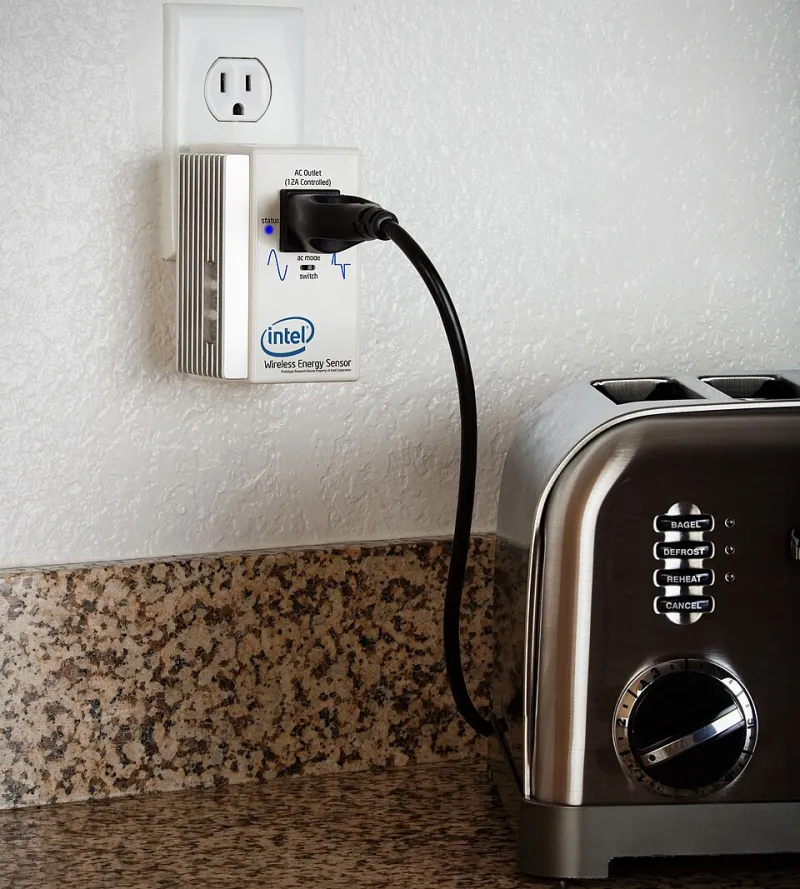
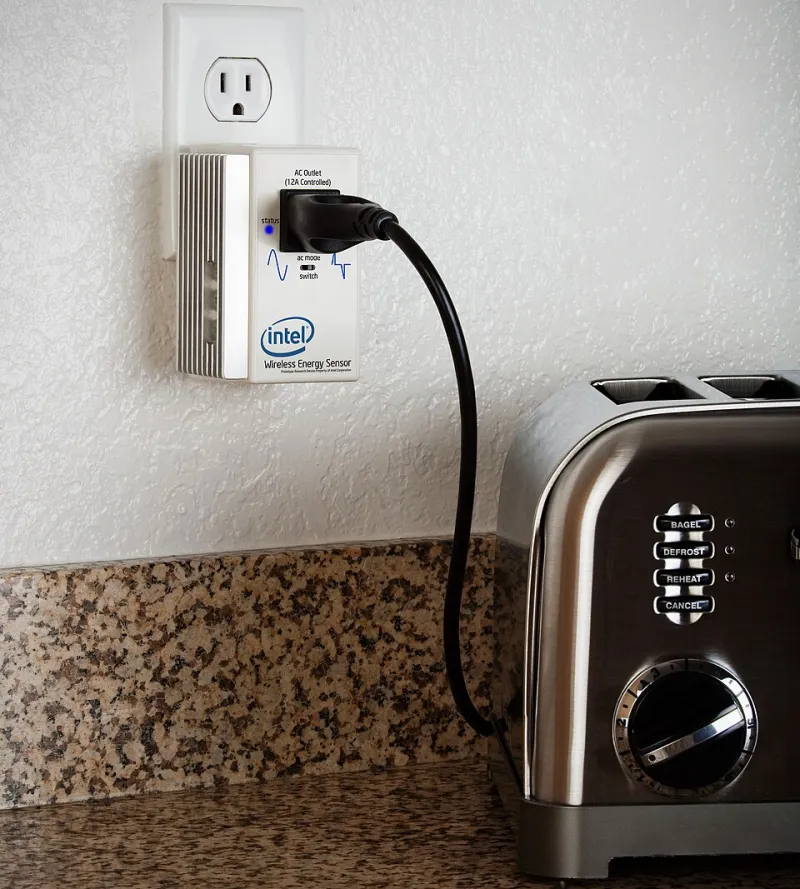
If I could only take one category of gadget to my next apartment, it's smart plugs. They've made dumb devices smart all over my place: the lamp from college, the coffee maker, the fan that hums all night. Energy monitoring on a few of them also caught my ancient fridge's ugly duty cycle — worth the extra couple of bucks per plug.
The Move-Out Checklist (Print This)
Tape this inside your packing tote:
- Reinstall every original fixture, bulb, and knob from the labeled box
- Peel adhesive mounts slowly, low angle, warm them with a hairdryer if stubborn
- Check walls with a flashlight raked at an angle — residue shows up as shadows
- Remove all door/window sensors; test that adhesive didn't lift paint
- Reset peephole camera and re-install the original peephole cover
- Delete devices from your hub and factory-reset them (also kills the next tenant's access to your gear)
- Photograph everything post-restoration for the security deposit conversation
Thirty minutes of teardown, tops. My last walk-through took four minutes because everything looked exactly like move-in day.
The One Honest Downside
Everything here runs on batteries, plugs, or adhesive — which means nothing is as clean as a hardwired build. Batteries need charging, bulbs get flipped off by well-meaning guests, and adhesive has a weight limit. If you own a home someday, you'll rip most of this out for the wired version.
Until then? A smart home that respects the lease is still a smart home. And a full security deposit is its own kind of satisfaction.